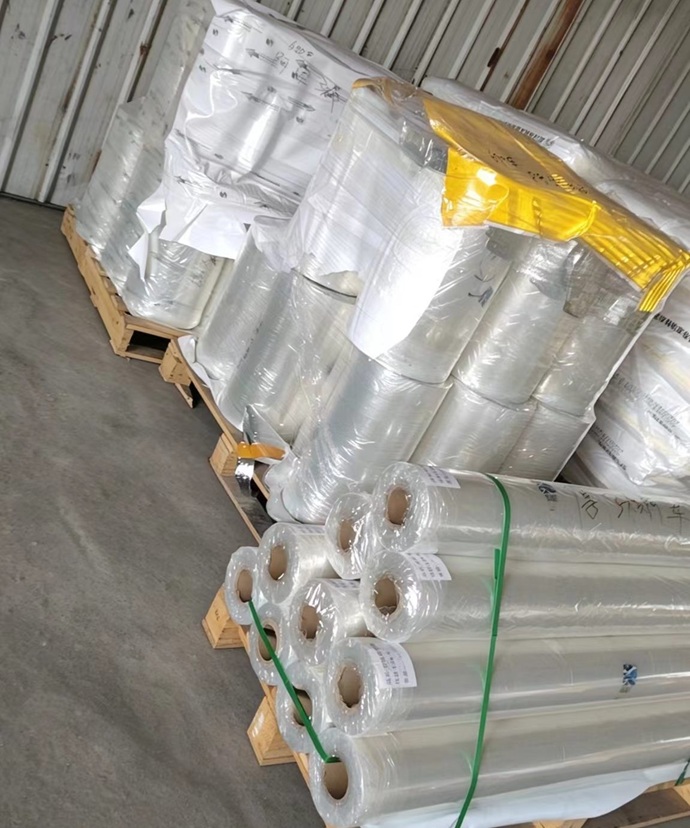
PET release film for electronics: where liners show up and why a clean surface comes first
PET release film for electronics is a wide topic, because electronic products use adhesives, coatings and thin layers in many places, and each one needs something to carry it, protect it or separate it. The liner is rarely the star, but a dusty or marked liner can cause trouble that only shows up later. Here is the chatty version, the way you would explain it to a friend who has just started buying film for an electronics line.
PET release film for electronics: where liners are commonly used
- Adhesive parts and tapes: double-sided tapes, die-cut adhesive gaskets and bonding pieces are kept on a liner until they are placed in a device. See PET release film for tapes.
- Protective layers: a liner can cover an adhesive area or a surface that stays unused until assembly.
- Carrier for coatings and thin layers: a film carries a coating or a thin layer through a process, and the layer is later transferred or peeled away.
- Ceramic and laminated components: some component making steps use a carrier film under a thin layer. Our early page on MLCC release film covers one example of that kind of use.
- Flexible and printed circuits: films are used as bases, covers and liners in several layers. For the base film side, see PET film for flexible circuits.
Why surface cleanliness matters so much
In electronics, small particles, fibers, oils and marks can matter more than they do in general converting. A speck on a liner can end up under an adhesive, on a screen or inside a stack of thin layers. So when you describe your job, treat surface quality as part of the specification, not as an afterthought. Ask how the film is inspected and how rolls are wrapped for shipping, and look at the film under good light on arrival. Our checklist for BOPET film inspection when rolls arrive shows what to look at first.
Things electronics buyers usually raise
- Dust, particles and scratches: how clean the surface is and how it is protected.
- Static: some processes dislike film that attracts dust or clings to itself. Say so in the enquiry, and ask what options exist.
- Release feel and residue: the liner should come away cleanly and leave nothing on the adhesive. See PET release film adhesive residue for how to describe a problem.
- Heat steps: if the liner goes through drying or heat, tell the supplier what the process is and ask for the matching datasheet.
- Flatness and size: parts are often small, so a flat, even liner helps cutting and handling.
- Silicone or non-silicone: some electronics users care about the release type. Our guide to PET release film: silicone or not explains the choice, and the final answer comes from your own requirement and testing.
Documents and requirements
Electronics customers often come with their own rules about materials and paperwork. Do not assume any grade meets a given requirement. Tell the supplier which documents or limits your customer asks for, ask what can be provided, and compare the answer with your own list before ordering a full quantity.
Samples before volume
For a new liner, ask for a datasheet and a sample, then test it in your real process: laminate it, die cut it, store it for the time your product waits and peel it. Test with your own adhesive and in your own clean area if you have one. Our page on how to test a PET release film sample shows a simple way to do it.
What to include in an enquiry
- What the liner is used for in your product, in one sentence.
- Adhesive or coating it will face, and how long it stays in contact.
- Release type, release side and finish.
- Surface cleanliness needs and any static concern.
- Heat or drying steps in your process.
- Thickness, with the unit written out.
- Roll width, length and core size. Our rolls use a 76 mm core.
- Documents your customer requires, quantity, and a request for datasheets and samples.
Talk to Us
Jinlu Film supplies PET film in various grades, and also supplies products with similar specifications, including domestic alternatives. We slit and convert PET film in our own facility, with custom roll widths, lengths and 76 mm cores, and we provide datasheets and samples. If you are looking for a PET film manufacturer to supply a liner for an electronics job, send us the use, adhesive, finish, surface needs, size and quantity.
More PET Film Guides
PET Release Film for Die Cutting: What the Liner Has to Survive: kiss cut, through cut and what to tell your supplier.
PET Release Film vs Release Paper: How to Decide: what the base material changes in practice.
PET Release Film Thickness: How to Choose a Liner Gauge: how liner thickness changes cutting, coating and peeling.
PET Release Film Adhesive Residue: How to Describe the Problem: words and photos for a residue problem.
Single Side vs Double Side Release Film: Which One to Pick: one release face or two, and how to choose.
General guidance for reference only. Trademarks belong to their respective owners.