Photovoltaic PET film: where it is used and what to ask a supplier first
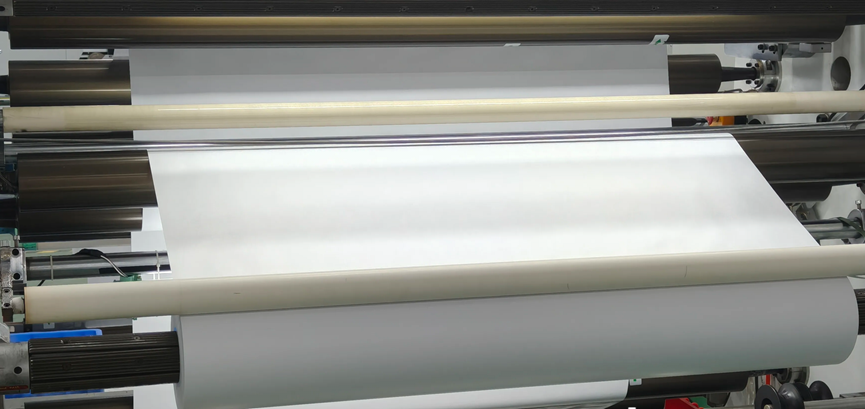
Photovoltaic PET film is polyester film used as part of the materials that make up a solar module. Buyers often search for photovoltaic PET film wholesale or suppliers, but the word “photovoltaic” alone does not tell you whether a film suits the job. This guide explains in general terms where PET appears in a solar module, which properties usually matter, and what to ask before you place an order. It is general industry information, not a recommendation for any specific grade, and not a statement about any particular module design.
What is photovoltaic PET film?
Generally, PET is used in solar modules as one layer in a multi-layer sheet, most commonly in the back cover of the module, often called the backsheet. PET is chosen because it is strong for its thickness, electrically insulating and stable in size. In many designs, the PET layer is combined with other layers or coatings that protect it from sunlight and moisture, so the PET film is rarely the whole answer on its own. The exact structure differs between module makers, so always ask your customer or the module maker what the film must do in their design.
Properties that usually matter
- Hydrolysis resistance: PET can slowly break down in hot, humid conditions. Film for long-life outdoor use is generally specified with this in mind, so ask whether the grade is intended for it and what data supports that.
- UV resistance: sunlight weakens plain PET over time. Ask how the final structure is protected, and do not assume an unprotected film will survive outdoors.
- Electrical insulation: the film often has to insulate between the cells and the outside, so ask for the relevant electrical data.
- Dimensional stability: films are laminated under heat, so shrinkage matters. Our guide to heat stabilized polyester film explains how shrinkage is described.
- Adhesion: the film must bond to coatings, adhesives or encapsulant layers, so tell the supplier which surface treatment or coating you need.
- Thickness and tolerance: a stable thickness helps with consistent lamination.
Temperature and long-term use
Solar modules sit outdoors for many years and go through repeated heating and cooling. A short datasheet value cannot show how a film ages over that time, so ask the supplier what test data exists and under which conditions it was measured. For the basics of how PET behaves with heat, see our article on PET film working temperature, melting point, shrinkage and thermal rating.
Photovoltaic PET film wholesale: questions to ask
- Grade and datasheet: which exact grade is offered, and what the datasheet lists.
- Intended use: whether the grade is intended for outdoor or module use, and on what basis. Do not assume it from the name.
- Consistency: whether the same grade can be supplied again for later orders.
- Thickness range: what is available, and how thickness is chosen for your structure. Our overview of PET film thickness and where each is used shows the general range.
- Roll format: width, length and core size. Our roll cores are 76 mm inner diameter.
- Samples: whether a sample is available for testing before a full order.
Test a sample in your own structure
Whether a film works in a solar module depends on the whole structure around it, not only on the film. Run a sample through your own lamination and your own tests, and compare the results with your requirements before you scale up.
Talk to Us
Jinlu Film supplies PET film in various grades, and also supplies products with similar specifications, including domestic alternatives. We provide datasheets and samples. If you are sourcing PET film for a solar-related project, send us your thickness, surface and property needs and our team will help you narrow the options. Learn more about us as a PET film manufacturer.
More PET Film Guides
Mylar Film: is it a brand or just polyester?
Clear PET Film: what clear really means on a datasheet.
PET Film Manufacturing: the process in six steps.
Polyester Film Distribution: who sells and what to ask.
PET Protective Film: types, uses and what to specify.
General guidance for reference only. Trademarks belong to their respective owners.