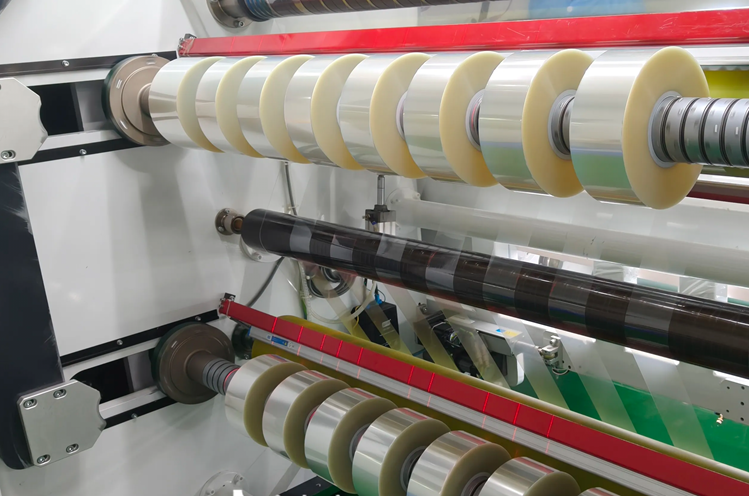
PET film for printed electronics: why the surface matters most
PET film for printed electronics is polyester film used as the base layer under printed conductive lines, sensors, heaters and similar thin circuits. PET is a common choice because it is flexible, strong for its thickness and stable in size, but the film still has to be matched to the ink and the process. This guide explains in general terms what printed electronics need from the base film and what to check before you order. It is general industry information, not a recommendation for any specific grade or ink.
Why PET is used as a base film
Printed electronics are made by printing functional inks onto a thin substrate, then drying or curing them. Generally, PET is chosen because it is low in cost compared with many other flexible substrates, comes in many thicknesses, and can be supplied in clean, flat rolls for roll-to-roll or sheet processing. It is not the answer for every job, and the ink maker’s guidance on substrates should always be read together with the film datasheet.
What printed electronics need from the film
- A suitable surface: the ink must wet the film and stay attached. Some films are supplied with a treated or primed surface for this reason. Our note on corona treated PET film explains one common treatment.
- Surface smoothness and cleanliness: printed lines can be very thin, so particles, scratches or a rough surface can break a line. Ask about surface quality, and how the film is packed to keep it clean.
- Dimensional stability: inks are usually dried or cured with heat, and shrinkage can shift a printed pattern out of register. See our guide to heat stabilized polyester film for how shrinkage is described.
- Thickness and tolerance: a consistent thickness helps with even printing and handling.
- Clarity, if needed: some products need to be seen through, others do not. State which one applies.
Heat and curing steps
The highest temperature your ink needs and the time the film spends at that temperature are among the most important facts to give the supplier. Compare them with the test conditions on the datasheet, because a shrinkage value only means something with its test temperature and time. Our article on PET film for flexible circuits lists related datasheet items to read first.
What to check on a datasheet before ordering
- Surface type: treated, primed or plain, one side or both, and which side you will print.
- Shrinkage: values with their test conditions, along the roll and across it.
- Thickness and tolerance: the nominal thickness and the allowed variation.
- Appearance: clear, hazy or colored, matching your product.
- Roll or sheet format: width, length and core size. Our roll cores are 76 mm inner diameter.
- Packing and handling: how the film is wrapped, so it arrives clean.
Test the film with your own ink
Whether a film works depends on the film, the ink and the process together, and a datasheet cannot settle it alone. Print a sample with your own ink, run it through your own drying or curing step, then check adhesion, line quality and size change before you place a larger order.
Talk to Us
Jinlu Film supplies PET film in various grades, and also supplies products with similar specifications, including domestic alternatives. We provide datasheets and samples. If you are choosing a base film for printed electronics, send us your thickness, surface, ink and process temperature needs and our team will help you narrow the options. Learn more about us as a PET film manufacturer.
More PET Film Guides
Decoration PET Film: finishes and what to specify.
Photovoltaic PET Film: what to ask a supplier first.
Mylar Film: is it a brand or just polyester?
Clear PET Film: what clear really means on a datasheet.
PET Film Manufacturing: the process in six steps.
General guidance for reference only. Trademarks belong to their respective owners.