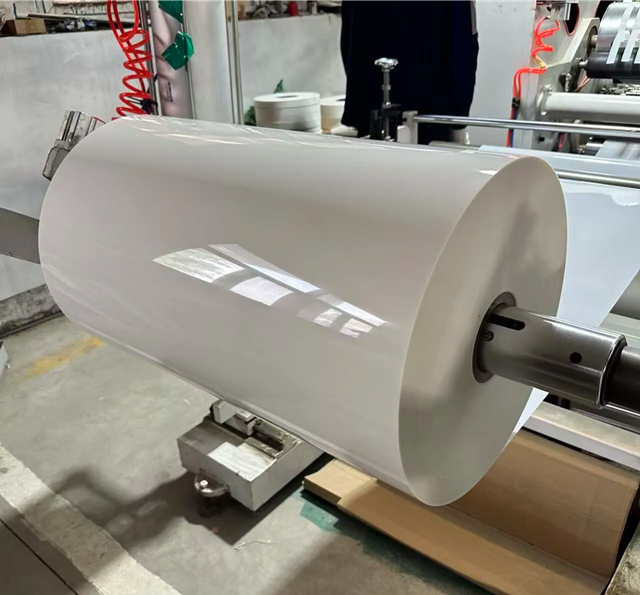
PET film plastic is a fair description: PET is a thermoplastic polymer, and the same family is widely recycled, though film brings its own sorting questions
Yes, PET film is plastic. Here is what kind, why that matters in use, and what happens to it afterward, stated in general terms.
What Kind of Plastic
PET is a thermoplastic polyester. Safety data sheets list it as more than 99 percent polyethylene terephthalate, melting at roughly 256 to 265°C (see the SKC Skyrol safety data sheet guide). Being a thermoplastic means it softens and melts under heat and can be reshaped, which is the basis for both making the film and recycling it (a general explanation).
Why It Is Chosen Over Other Plastics
- Strong for its thickness.
- Stable under moderate heat compared with many plastics. See PET film working temperature.
- Good electrical insulation.
- Available clear, white, black, or matte. See PET film classification.
What Happens at End of Life
PET is one of the most widely recycled plastics, and consumer PET packaging is commonly marked with recycling code 1 (a general statement). Film is a different story: thin film is harder to sort and collect than bottles, and films with coatings, metal layers, or laminated structures can be harder still. Whether a given film can be recycled depends on the structure and on local collection and sorting. Ask your supplier whether they can supply a mono-material structure if recycling matters to your product.
A Short Note on Claims
We do not make recycling or environmental claims for any specific grade here, because the datasheets in our guides do not state them. If a customer or regulation requires such a claim, ask for written documentation.
Quick Answers
Is PET film the same plastic as a water bottle?
Both are PET, though film and bottle grades are made differently.
Is every PET film recyclable?
Not necessarily. It depends on structure and local systems.
Can Jinlu Film supply PET film?
Jinlu Film supplies PET film grades, including comparable-specification alternatives and domestic options, with datasheets and samples. Tell us your requirements.
More PET Film Guides
- PET Film vs Polyester Film: what the two names mean
- PET Film Classification: by look, surface, and job
- PET Film Working Temperature: three numbers to know
- Heat-Sealable PET Film: how it differs from standard polyester
- Anti-Static PET Film: why static builds and what helps
Talk to Us
Jinlu Film can discuss structure options for your product. See our PET film manufacturer page, and contact us for technical data, samples, or a factory quote.
This article is general guidance for reference only and makes no environmental claim for any specific product. Please confirm the details of any grade with your supplier and local requirements.