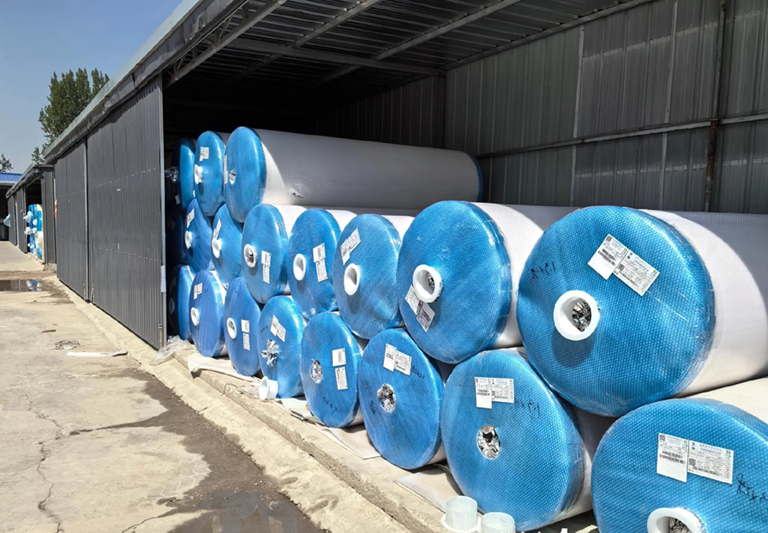
BOPET film uses in packaging: six jobs it usually does inside a pack
BOPET film uses in packaging are easier to understand if you stop thinking of it as “the packaging” and start thinking of it as one layer in a pack. Most packs are built from several layers, and the polyester layer is picked for a few specific jobs. Here is the chatty version, the way you would explain it to a friend who has just started buying film for a packaging line.
BOPET film uses in packaging: the six jobs
The same film can show up in very different packs, but the job it does is usually one of the six below. Knowing which job you need makes the enquiry much shorter.
1. The printable outer layer
Many flexible packs use polyester as the outside layer because it takes print well and keeps its shape on a machine. Ink can go on the outside, or be printed on the back of the film and then covered by another layer, so the print sits protected. Which side is treated, and which printing method you use, decides what surface to ask for. Our guide to printable polyester film goes through that.
2. The stiff, stable layer in a laminate
Laminates often include a polyester layer to give the pack strength and stable size while it runs through printing, laminating and filling. It is the layer that helps the pack stay flat and not stretch out of shape. When you describe the job, say what it is laminated to and which side faces the next layer.
3. The clear window or clear pack
Where the product has to be seen, buyers choose clear film. “Clear” can mean different things on a datasheet, so check the items behind the word before comparing samples. Our article on what clear means for PET film lists them.
4. The barrier-support layer
Some packs need to keep air, moisture or light away from the product. Polyester is often the base for that, with a coating or a very thin metal layer added on top. For the metal-coated version, see metallized PET film. Do not assume plain film gives the same protection, and ask for the datasheet of the exact structure you plan to use.
5. The lid
Trays and cups are often closed with a lid that has a polyester layer. The part that bonds to the tray is usually a separate sealing layer, so questions about sealing are really questions about the whole structure. Our page on polyester lidding film lists what to settle before ordering.
6. The carrier or liner inside the pack
Sometimes the film is not the pack at all, but a part inside it: a release liner behind a label, a carrier for a coating, or a backing for an adhesive strip. In that case the surface matters more than the look, and the adhesive or coating it faces becomes part of the specification.
What to include in an enquiry
- Which of the six jobs the film does in your pack.
- What it is laminated, coated or printed with.
- Thickness, with the unit written out.
- Surface needs: finish, treated side and whether it is printed on the outside or the back.
- Roll width, length and core size. Our rolls use a 76 mm core.
- If the pack touches food or medicine, the documents your customer asks for.
- Quantity, and a request for datasheets and samples before the main order.
Talk to Us
Jinlu Film supplies PET film in various grades, and also supplies products with similar specifications, including domestic alternatives. We slit and convert PET film in our own facility, with custom roll widths, lengths and 76 mm cores, and we provide datasheets and samples. If you are looking for a PET film manufacturer to supply film for a packaging job, send us the job, thickness, surface needs, size and quantity.
More PET Film Guides
BOPET Film vs CPET: What Is the Difference?: a thin film on a roll versus a rigid tray or sheet.
BOPET Film MOQ: How to Talk About Minimum Order Quantity: what a minimum order means and how to start small.
BOPET Film Defects: How to Describe a Problem to Your Supplier: words and photos that help.
BOPET Film Inspection: What to Check When Rolls Arrive: a short checklist for delivery day.
BOPET Film Storage: How to Keep Rolls in Good Shape: simple habits for receiving and storing rolls.
General guidance for reference only. Trademarks belong to their respective owners.