PET film DTF buyers are really buying a coated transfer film, and the questions that matter are about the coating, the release, and how the film behaves in your printer and press
Direct-to-film printing uses a printed PET film as the carrier for a design that is then transferred to fabric. The film looks simple, but a few details decide whether your transfers come out cleanly.
How DTF Works, in Brief
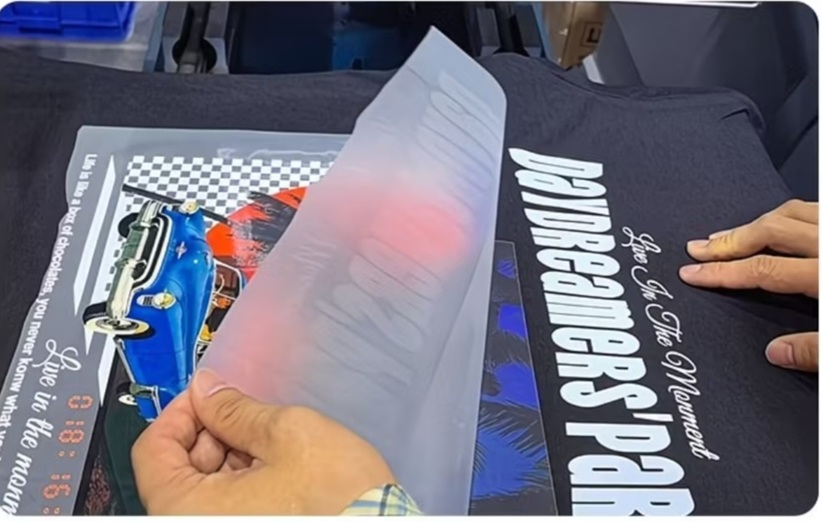
In a general description: a design is printed on a coated PET film, an adhesive powder is applied and cured, and the design is pressed onto the fabric with heat, after which the film is peeled away (a general explanation, not specific to any product). The PET film is the carrier, so its surface, flatness, and release behavior matter.
What Makes DTF Film Different from Plain PET
A DTF film is not plain polyester. It has a coating on the printing side that accepts ink, and the film has to release the design when peeled after pressing. Plain clear polyester, and even treated packaging film, is not the same thing. None of the datasheet guides on this site covers a DTF film, so we do not claim any of those grades for this use.
Questions to Ask a Supplier
- Which ink type is the coating made for: pigment ink from a DTF printer, or something else?
- Is the film sold as sheets or as rolls, and in which widths? See the PET film sheet guide and the PET film rolls guide.
- What is the thickness, and does it stay flat through the printer and the oven?
- How does the film release after pressing, and is it cold peel or hot peel?
- Does the coating work with the powder and the temperature you use?
- Can you send a sample roll or sheet to test on my printer?
Why Flatness and Shrinkage Count
Heat curing and pressing move film. A film that shrinks or curls can misalign the design. For how shrinkage is described on datasheets, see the Toray Lumirror S56 PET Film guide, which is built around low shrinkage, and the general PET film printing guide for ink adhesion basics.
A Careful Way to Test
- Print a test design on a small sample, and run it through your whole process.
- Check ink adhesion before pressing, and the clean release after.
- Repeat on a second batch of film to see if results are consistent.
Quick Answers
Can I use any PET film for DTF?
No. You need a film with a suitable coating and release, made for the process.
Are sheets or rolls better?
It depends on your printer. Check which your machine accepts.
Can Jinlu Film supply DTF film?
Tell us your printer, ink, and the sheet or roll size you need, and we will discuss what we can offer, with datasheets and samples where available.
More PET Film Guides
- PET Film Printing: why ink won’t stick and fixes
- PET Film Sheet or Roll?: how to specify cut-to-size film
- PET Film HS Code: where to check before you ship
- PET Film vs Mylar: are they the same?
- What Is PET Film Used For?: ten everyday answers
Talk to Us
Jinlu Film can go through the questions with you. See our PET film manufacturer page, and contact us for technical data, samples, or a factory quote.
This article is general guidance for reference only and does not claim any grade for DTF use. Please confirm the details of any product with your supplier.