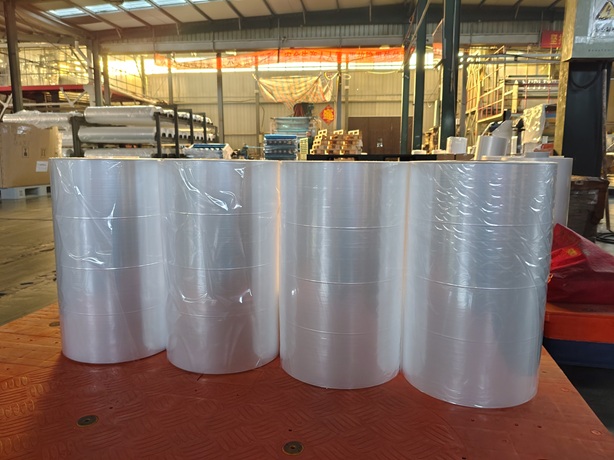
Black polyester film: what makes it black, and what to check before you order
Black polyester film looks simple, but “black” can mean several different things on a datasheet. Some buyers want a film that blocks light, some want a dark look on a printed or laminated part, and some only want a dull, low-glare surface. This guide explains how black PET film is generally made and what to compare before you request a quote. It is general industry information, not a recommendation for any specific grade.
How black polyester film gets its color
Generally, black polyester film is made by adding a black pigment or filler to the polymer, or by applying a dark coating to a base film. These are two different constructions. In a pigmented film, the color runs through the whole thickness. In a coated film, the color sits on one or both surfaces, and the base film underneath may still be clear. When you compare offers, ask which construction you are being quoted, because the behavior can differ in light blocking, surface feel and how the film handles converting.
Black vs white vs clear polyester film
The three colors are usually chosen for different reasons. Generally speaking:
- Black: used where light blocking, a dark appearance or reduced glare matters.
- White polyester film: used where a bright, reflective or printable background matters. White film generally contains a white pigment or filler.
- Clear polyester film: used where you need to see through the film or keep the base material unchanged.
If your project could go either way, decide first whether the film must block light, reflect light, or let it through. The color choice usually follows from that answer.
Matte or gloss: the surface matters as much as the color
Two black films can look very different because of the surface. A glossy black film reflects more light and shows scratches and fingerprints more easily. A matte black film scatters light and looks softer, but the surface texture may affect printing, coating or laminating. If the film will be printed, coated or bonded, tell your supplier which process follows, so the surface type can be matched to it.
Thickness and opacity
A thicker film is not automatically more opaque, and a thin film is not automatically see-through. Opacity depends on the pigment level and construction as well as the thickness. If light blocking is important, ask for a measured value, such as light transmission or optical density, instead of relying on the word “black” or “opaque”. Also ask whether the value was measured at the thickness you plan to buy.
What to check on a datasheet before ordering
- Thickness and tolerance: the nominal thickness and the allowed variation.
- Surface: matte or gloss, and whether one side or both sides are treated.
- Light blocking: a measured transmission or density value, if your use needs it.
- Mechanical and thermal data: tensile strength, shrinkage and working temperature, if the film will be heated or converted.
- Surface treatment: whether it is treated for printing, coating or adhesion.
- Roll format: width, length, and core size. Our roll cores are 76 mm inner diameter.
Request a sample before you commit
Color and surface are easy to judge on a datasheet, but hard to judge in the real process. A small sample lets you check opacity, print or coating behavior and handling on your own line. Compare the sample against your requirements instead of the other way round.
Talk to Us
Jinlu Film supplies PET film in various grades, and also supplies products with similar specifications, including domestic alternatives. We provide datasheets and samples. If you are comparing black, white or clear film for a project, send us your thickness, surface and process needs and our team will help you narrow the options. Learn more about us as a PET film manufacturer.
More PET Film Guides
PET Release Film: Silicone or Not: how to decide between silicone and non-silicone release.
BOPET vs PET: what the extra letters mean and when they matter.
Silicone Release Mylar: a plain-language look at release-coated polyester film.
PET Film for Magnetic Tape: why surface smoothness matters.
PET Film for Medical Packaging: five documents to ask for.
General guidance for reference only. Trademarks belong to their respective owners.