Exploring the Science of Silicone Coatings and How PET, PE, and PP Substrates Prevent Adhesion in Industrial Manufacturing
Product Overview
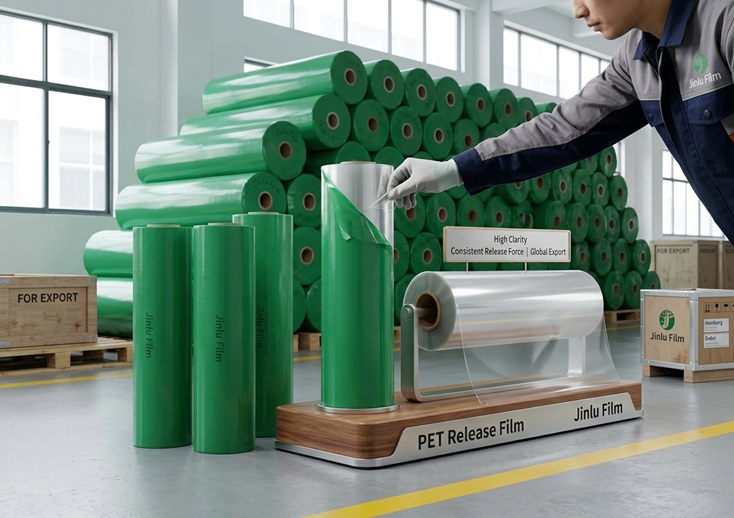
In the high-speed world of industrial manufacturing, some heroes work behind the scenes. You will never see them in the final product, but without them, production lines would grind to a halt. This is the realm of What is Release Film. In simple terms, it is a carrier or barrier layer designed to prevent adhesives, resins, or molding compounds from sticking to surfaces. While global giants like Toray, DuPont PET Film, and SKC PET Film provide high-end substrate options, understanding the fundamental mechanics of release films is crucial for B2B buyers.
The Three Core Substrates: PET, PE, and PP
The base material of the film dictates its physical strength and thermal resistance. The industry relies on three main polymers:
- PET (Polyethylene Terephthalate): The gold standard for high-temperature applications, offering exceptional mechanical strength and dimensional stability.
- PE (Polyethylene): A softer, more cost-effective option, often used in lower-temperature processes or where high flexibility is required.
- PP (Polypropylene): Offers excellent chemical resistance and is often used in specialized molding processes.
The Anti-Stick Mechanism: The Science of Silicone
How does a film resist something as sticky as glue? It is not magic; it is surface chemistry.
- Silicone (Polydimethylsiloxane) is applied as a microscopic coating (usually cured via heat or UV).
- Silicone has an extremely low surface energy. Because of this low energy, the adhesive or resin cannot form a strong molecular bond with the film.
- When pressure is applied and then removed, the silicone layer acts as a physical release barrier, forcing the sticky substance to peel away cleanly without transferring or leaving residue.
Key Applications Across Industries
The unique properties of release films make them indispensable for:
- Pressure-Sensitive Adhesives (PSA): Used as a liner for double-sided tapes, labels, and protective films.
- Composite Molding: Acting as a release barrier in the production of carbon fiber parts and fiberglass.
- Electronics: Used in the manufacturing of flexible printed circuits and protective screen layers.
Technical Characteristics
The following values represent the typical capabilities of our release film range:
- Material: Silicone-coated PET, PE, or PP
- Thickness Range: 12 μm to 188 μm
- Coating Types: Solvent-based, solvent-free (100% solids), or water-based silicone
- Peel Force: Light to tight release (customizable)
- Residual Adhesion: High (typically 90% to 95%)
- Certifications: RoHS, REACH compliant
Why Choose Jinlu Film as Your Supplier
Jinlu Film is a leading manufacturer of high-performance release films. We offer direct factory substitutes that match the precision of top-tier brands. Whether you need high-temperature PET release liners or flexible PE films, our rigorous coating controls ensure consistent peel forces and flawless anti-stick performance.
Contact us today for a factory quote, technical data, or a sample of Release Film.